
May 7, 2026
By Tori Curbelo
Have you ever seen a human trafficking story and wondered whether it’s true? You’re not alone. We frequently receive questions asking whether an event is real or false. With the amount of information circulating online, it can be difficult to decipher fact from myth.
Since 2007, LifeWay Network’s education program has aimed to equip communities to understand human trafficking, identify it and know how to respond when it happens. That work includes not only providing information, but also dispelling myths and conspiracy theories.
Whether it’s a trafficking myth, rumor, misinformation, disinformation or conspiracy theory, the impact is similar: It clouds an already complex issue and makes it harder to take action. The International Labour Organization estimates 50 million people globally have experienced trafficking, and distorted narratives can undermine a meaningful and actionable understanding of the realities faced by victims and survivors.
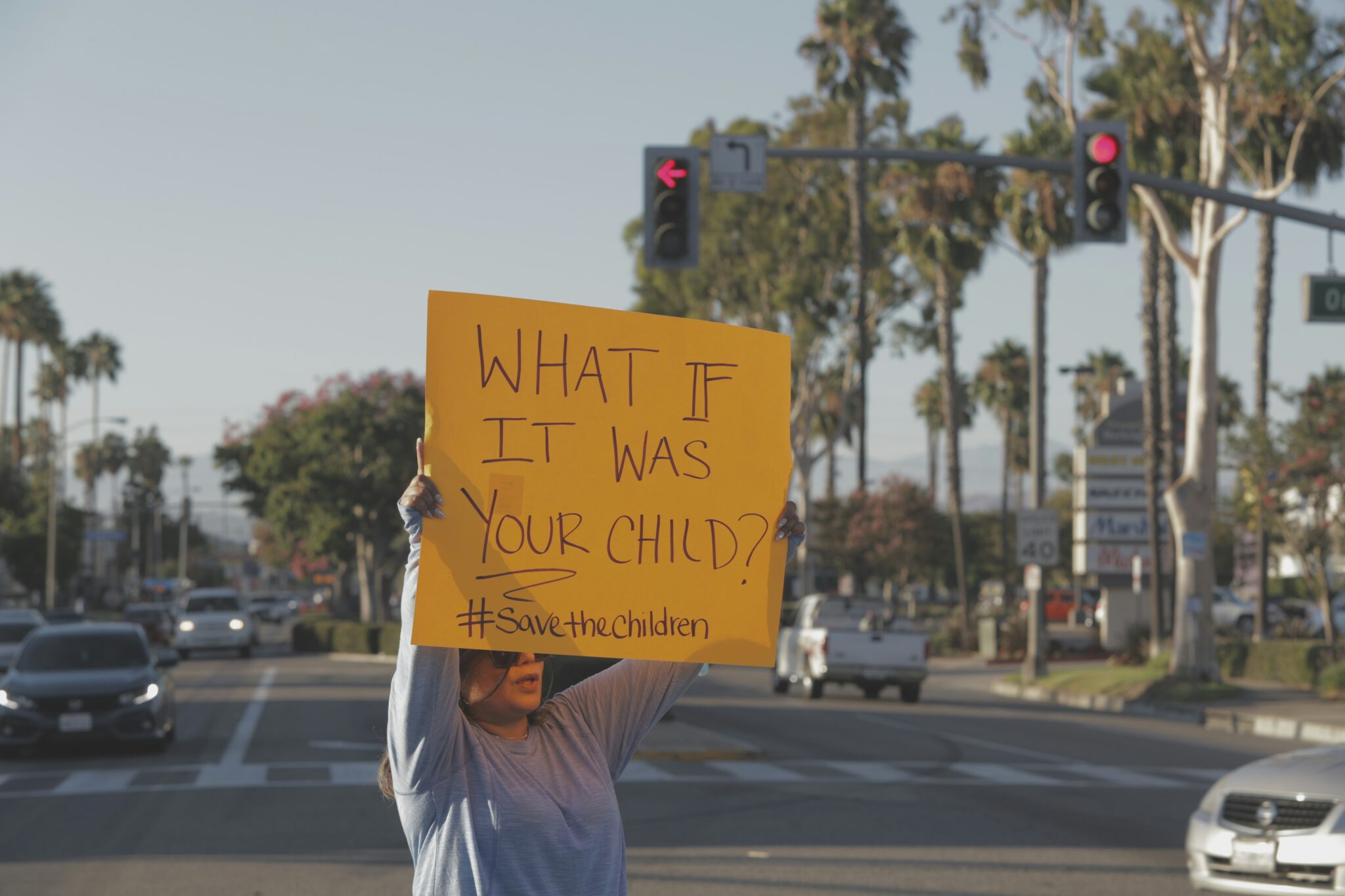
Myths tend to resurface in different forms. Years ago, a “Wayfair trafficking” conspiracy theory involving furniture deliveries was widely circulated. A colleague recently noted seeing the hashtag #SaveOurChildren resurface, despite the fact that the misinformation has been repeatedly addressed by organizations such as the Polaris Project since 2020. Polaris and other organizations have documented many of these recurring trafficking myths and provided evidence-based responses.
While new rumors will continue to evolve and emerge, a few key points are important to keep in mind:
- Human trafficking occurs every day of the year, not only during high-profile or sensational events
- It takes many forms and is often less visible than media portrayals suggest. For example, it can include withholding documents such as passports, exploiting someone’s substance dependency, or threatening deportation or job loss to maintain control.
- Traffickers typically rely on coercion, fraud and psychological manipulation. These tactics are often difficult to identify and may not resemble overt acts such as kidnapping, which is a less utilized tactic than often assumed.
- While trafficking networks do exist, human trafficking is not always highly organized. It can also occur within families or in small, informal arrangements.
- Traffickers are frequently known to the victim, including intimate partners, family members, employers, teachers or others in positions of trust.
Take action:
- Familiarize yourself with widely debunked human trafficking conspiracy theories, such as those documented by the Polaris Project: https://polarisproject.org/human-trafficking-rumors/
- Be cautious about what you share and where information comes from. If unsure, verify with credible organizations such as those working directly with survivors and other anti-trafficking groups.
- Stay informed by following survivors online and seeking out reputable organizations and their research, newsletters and public education materials.
- Help circulate accurate, evidence-based information about human trafficking. World Day against Trafficking in Persons (July 30) and National Human Trafficking Prevention Month (January) are examples of great opportunities to do so. You can also circulate LifeWay’s Trafficking Red Flags downloadable.
If you encounter stories online, check whether they are supported by credible anti-trafficking organizations and verified sources before sharing.
(Photo by Joel Muniz on Unsplash)